
The evolution of automotive technology has shifted dramatically from mechanical durability to digital intelligence, placing Advanced Driver Assistance Systems at the forefront of modern engineering. Maximizing vehicle safety through ADAS innovation is no longer a luxury reserved for high-end flagship sedans but is becoming a standard expectation for every consumer on the road. These systems act as a secondary set of eyes and a faster-than-human brain, constantly scanning the environment for potential hazards that a distracted driver might miss. As we transition toward a future of fully autonomous mobility, ADAS serves as the critical bridge, building the trust and technical foundation necessary for self-driving cars. The complexity of these systems involves a sophisticated network of cameras, radar, and lidar working in perfect synchronization to create a 360-degree digital map of the vehicle’s surroundings.
Beyond mere convenience, ADAS is fundamentally designed to address the leading cause of road accidents: human error, which accounts for over ninety percent of all traffic incidents globally. By integrating artificial intelligence and machine learning, modern vehicles can now predict dangerous scenarios and intervene before a collision even becomes a possibility. This comprehensive guide will explore the technical layers of ADAS, its impact on global safety standards, and how these innovations are reshaping the very nature of our daily commute.
The Technical Foundation of ADAS Sensors
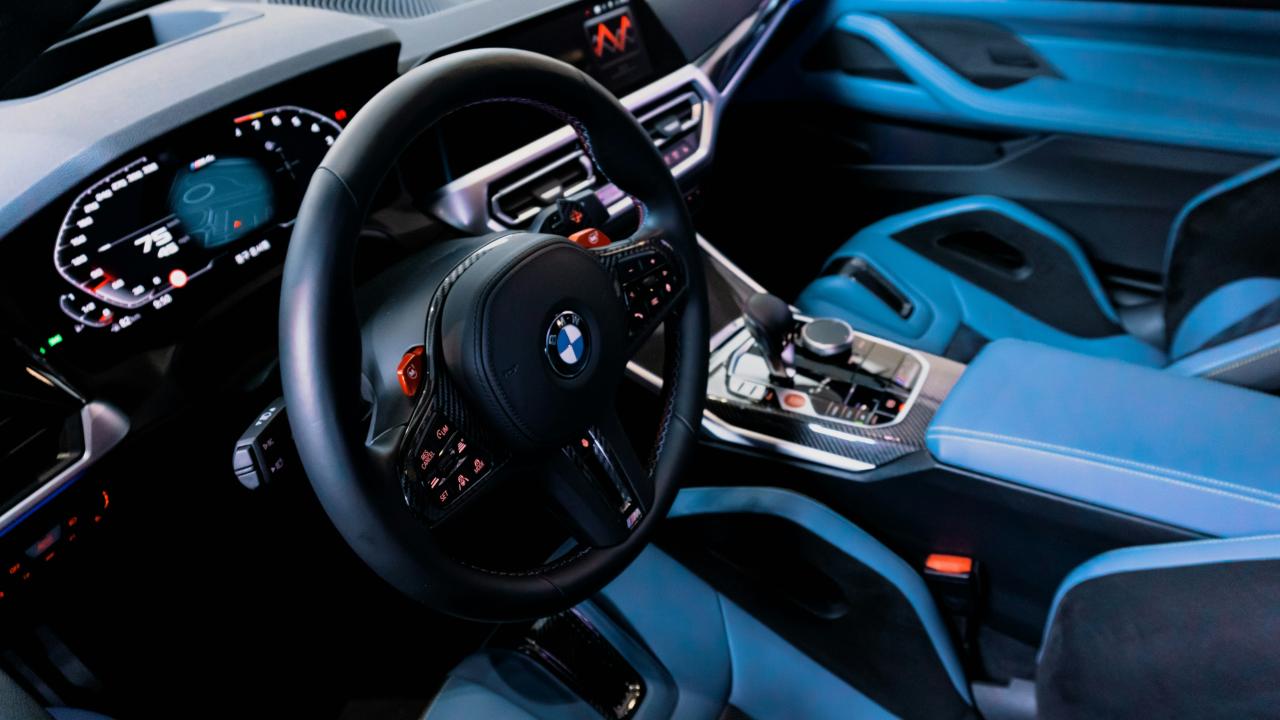
For a vehicle to assist a driver, it must first be able to “see” and interpret the world around it with incredible precision. This is achieved through a multi-layered sensor fusion approach that ensures reliability in all weather and lighting conditions.
A. Camera-Based Vision Systems
High-resolution cameras are the “eyes” of the ADAS system, responsible for recognizing lane markings, reading traffic signs, and identifying pedestrians. Modern vehicles often use multiple cameras to provide a stereoscopic view, allowing the computer to judge depth and distance accurately.
B. Radar and Long-Range Detection
Radar sensors use radio waves to detect the speed and distance of objects, even through heavy rain, fog, or snow. This technology is the backbone of adaptive cruise control and automatic emergency braking because it works consistently when optical cameras might be blinded.
C. Lidar and 3D Environmental Mapping
Lidar uses pulsed laser light to measure distances, creating a high-definition 3D “point cloud” of the environment. While more expensive than radar, lidar provides the extreme level of detail needed for complex urban navigation and obstacle avoidance.
Active vs. Passive Safety Systems
Modern vehicle safety is split into two categories: systems that protect you during a crash and systems that prevent the crash from happening in the first place. ADAS represents the pinnacle of active safety.
A. The Role of Passive Safety
Passive safety includes traditional features like airbags, seatbelts, and crumple zones designed to minimize injury during an impact. While essential, these systems only activate once a mistake has already occurred.
B. The Proactive Nature of Active Safety
Active safety systems like Lane Keep Assist and Blind Spot Monitoring work continuously to prevent a collision from ever occurring. By providing haptic or visual warnings, they correct driver behavior in real-time.
C. Synergy Between Both Systems
The most advanced vehicles use ADAS to prepare passive systems for an inevitable hit. For example, if the radar detects an unavoidable collision, the car may pre-tension seatbelts and close windows to maximize occupant protection.
Key Innovations in Collision Avoidance
The most significant impact of ADAS is its ability to intervene in split-second scenarios where human reaction time is simply too slow. These innovations are the primary drivers of reduced fatality rates.
A. Automatic Emergency Braking (AEB)
AEB monitors the distance to the vehicle ahead and automatically applies the brakes if it senses an impending rear-end collision. This technology has been proven to reduce rear-end accidents by more than fifty percent.
B. Pedestrian and Cyclist Detection
Using deep learning algorithms, cars can now distinguish between a parked vehicle and a child running into the street. The system can swerve or stop instantly to protect vulnerable road users who are not protected by a metal shell.
C. Intersection Movement Assist
One of the newest ADAS innovations, this system monitors cross-traffic at intersections. It prevents drivers from turning into the path of an oncoming vehicle that they may have missed due to a blind spot or distraction.
The Evolution of Lane and Steering Assistance
Maintaining lane integrity is a fundamental part of highway safety, and ADAS has moved beyond simple warnings to active steering correction.
A. Lane Departure Warning (LDW)
LDW uses cameras to track lane markings and alerts the driver with a steering wheel vibration or a beep if they drift without using a turn signal. This is a vital tool for combating driver fatigue and highway hypnosis.
B. Lane Keeping Assist (LKA)
LKA goes a step further by actively steering the vehicle back into the center of the lane if a drift is detected. It provides a gentle nudge that reminds the driver to stay centered without taking full control.
C. Emergency Steering Support
In a crisis where braking isn’t enough to avoid an object, this system assists the driver in performing an evasive maneuver. It optimizes the steering torque to help the car swerve safely without losing control or flipping.
Adaptive Cruise Control and Traffic Jam Assist
Modern ADAS has turned the most stressful parts of driving into manageable, automated experiences. This reduces driver fatigue, which is a major contributor to safety incidents.
A. Radar-Based Adaptive Cruise Control (ACC)
Unlike traditional cruise control, ACC automatically adjusts the vehicle’s speed to maintain a safe following distance from the car in front. It can slow down and speed up smoothly, mimicking the flow of traffic.
B. Stop-and-Go Functionality
In heavy traffic, some ADAS systems can bring the vehicle to a complete stop and then resume driving when the car ahead moves. This prevents “fender benders” caused by the frustration and distraction of stop-and-go commuting.
C. Predictive Speed Adjustment
The latest systems use GPS data to slow the car down before it enters a sharp curve or a school zone. This integration of navigation data and speed control represents the next level of intelligent safety.
The Critical Role of Driver Monitoring Systems
As cars become more capable, there is a risk that drivers will become too reliant on the technology and stop paying attention. Driver Monitoring Systems (DMS) ensure the “human-in-the-loop” remains engaged.
A. Infrared Eye-Tracking Technology
Internal cameras use infrared light to track the driver’s gaze even through sunglasses. If the driver looks away from the road for too long or closes their eyes, the system triggers an immediate alert.
B. Cognitive Distraction Detection
Advanced AI can analyze steering patterns to determine if a driver is distracted or impaired. If the system detects erratic behavior, it may suggest the driver pull over for a break or even safely stop the vehicle.
C. Hands-On Detection Sensors
Most ADAS systems require the driver to keep their hands on the wheel. Using capacitive sensors, the car can tell if you have let go and will disable assistance features if the driver does not take back control.
Connected Infrastructure and V2X Communication
The future of ADAS safety lies in the ability of cars to talk to each other and the city around them. This is known as Vehicle-to-Everything (V2X) communication.
A. Vehicle-to-Vehicle (V2V) Warnings
Imagine your car receiving a signal from a vehicle three cars ahead that has just slammed on its brakes. V2V allows for “electronic brake light” warnings that can prevent massive multi-car pileups.
B. Vehicle-to-Infrastructure (V2I) Integration
Cars can communicate with smart traffic lights to receive information about upcoming red lights or construction zones. This allows the ADAS to prepare the vehicle for stops long before the driver sees the light change.
C. V2P and Protecting Pedestrians
Through smartphone signals, a car can be alerted to a pedestrian behind a blind corner. This “hidden object” detection is a revolutionary step in urban safety.
Over-the-Air (OTA) Updates and Continuous Improvement
One of the most exciting aspects of modern ADAS is that the vehicle can actually become safer after it leaves the factory. Software is now the primary driver of safety innovation.
A. Continuous Algorithm Refinement
As car companies collect data from millions of miles driven, they can refine their safety algorithms. An update sent over the internet can improve the car’s ability to recognize complex hazards.
B. Adding New Features to Existing Hardware
In some cases, a software update can unlock entirely new safety features that weren’t available when the car was purchased. This keeps the vehicle at the cutting edge of safety for its entire lifespan.
C. Rapid Bug Fixes and Security Patches
If a vulnerability is found in the safety software, manufacturers can deploy a fix to the entire fleet instantly. This is a massive improvement over traditional physical recalls that took months to implement.
The Impact of ADAS on Insurance and Liability
As technology takes more control, the legal and financial landscape of driving is shifting. This has major implications for how we view responsibility on the road.
A. Reduced Insurance Premiums for Safe Tech
Insurance companies are increasingly offering discounts for vehicles equipped with proven ADAS features. They recognize that these cars are significantly less likely to be involved in expensive claims.
B. Data Logs and Accident Reconstruction
ADAS systems record data leading up to an incident, providing an “airplane black box” for cars. This makes it much easier to determine exactly what happened and who—or what—was at fault.
C. The Shift Toward Manufacturer Liability
As systems move toward higher levels of autonomy, some manufacturers are beginning to accept liability for accidents caused by their software. This represents a fundamental change in the history of automotive law.
Challenges and Limitations of ADAS
Despite the massive benefits, ADAS is not perfect. Understanding its limitations is key to using the technology safely.
A. The Challenge of Edge Cases
AI struggles with “edge cases”—scenarios that are rare or unusual, like a person in a strange costume or an oddly shaped vehicle. Human oversight is still required to handle these unpredictable moments.
B. Adverse Weather Interference
While radar is good, heavy snow or mud can block sensors and cameras, causing the system to disable itself. Drivers must be prepared to take full control when the technology hits its environmental limits.
C. Standardization and User Interface Confusion
Different car brands use different names and icons for the same safety features. This can lead to confusion when a driver switches vehicles, potentially creating a safety risk if they misunderstand how the system works.
Conclusion

Advanced Driver Assistance Systems represent the most significant leap in automotive safety since the invention of the seatbelt. Innovation in this field is driven by the desire to eliminate human error and create a world with zero traffic fatalities. Sensor fusion remains the technical cornerstone that allows vehicles to perceive their environment with superhuman accuracy. Active safety features provide a proactive shield that intervenes before a dangerous situation escalates into a collision.
The integration of artificial intelligence allows these systems to learn and improve with every mile they travel. Connectivity between vehicles and infrastructure will soon allow cars to see around corners and through obstacles. Driver monitoring ensures that technology enhances human capability rather than replacing human responsibility. Software updates ensure that your vehicle’s safety features remain at the cutting edge throughout its life. The insurance industry is already reflecting the lower risk profiles of cars equipped with advanced assistance tech.
Legal frameworks are slowly evolving to address the new questions of liability raised by automated driving. Public trust is the final frontier that must be conquered before autonomous safety can be fully realized. We must remain aware of the environmental and technical limitations that still require a focused human driver. The transition to ADAS is a collective effort between engineers, regulators, and the driving public. Investing in these technologies today is an investment in the long-term health and safety of our communities. The ultimate goal of ADAS innovation is to ensure that every journey ends safely at its destination.